The Humble Vegetable That Does More for You After 60 Than Most Supplements
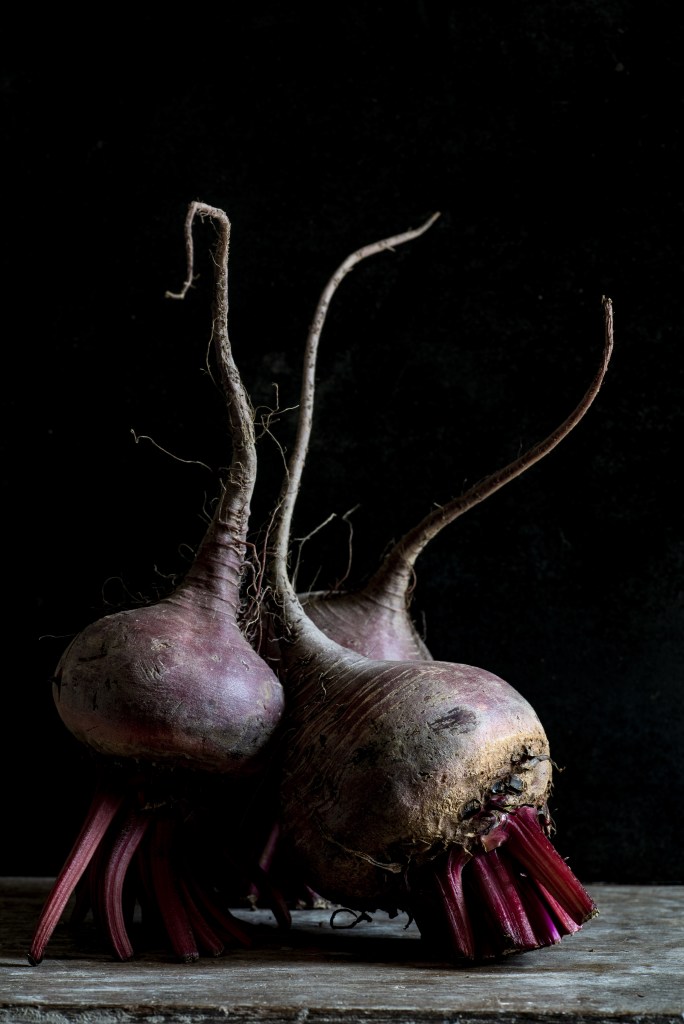
Beetroot doesn't have the glamour of a superfood. It doesn't come in a sleek packet with a list of credentials on the front. It's earthy, a little messy to prepare, and has a habit of staining everything it touches an alarming shade of purple. And yet, quietly, it's one of the most genuinely useful things you can put on your plate, especially after sixty.
The research behind it has been building steadily for years, and it points in a consistent direction. This vegetable does things for the ageing body that are difficult to replicate elsewhere. Not because it's exotic or expensive, but because its chemistry addresses several of the things that shift as we get older, blood pressure, circulation, inflammation, energy, and even the sharpness of the mind.
Here's what's actually going on.
It's remarkably good for the heart
Beetroot is unusually rich in natural compounds called nitrates, and before that word conjures images of processed food, these are the naturally occurring kind, the ones your body converts into nitric oxide. Nitric oxide relaxes and widens blood vessels, which means the heart doesn't have to work as hard to move blood around the body.In practical terms, blood pressure comes down. Not dramatically, and not as a replacement for medical treatment when that's what's needed, but measurably, reliably, and through something as straightforward as a vegetable.After sixty, when blood pressure creeps upward, and cardiovascular health becomes something most of us take more seriously, that's not a small thing. Multiple studies have shown that regular beetroot consumption produces meaningful reductions in systolic blood pressure, the upper number doctors tend to keep a close eye on.
It supports the brain in ways that matter.
The same nitric oxide that benefits the heart also improves blood flow to the brain, and this is where things get interesting for people in their sixties and beyond.One of the natural changes that comes with age is a gradual reduction in blood flow to the frontal lobes, the part of the brain responsible for decision-making, focus, and what most people loosely call sharpness. Research from Wake Forest University found that older adults who drank beetroot juice before exercise showed significantly increased blood flow to these areas compared to those who didn't. The implication being that beetroot may play a modest but genuine role in preserving cognitive function as we age.It won't prevent dementia or reverse cognitive decline, let's be clear about that. But as part of a diet that takes brain health seriously, it earns its place.
It quietly fights inflammation
Inflammation is one of those words that gets used a great deal in health writing, sometimes to the point of losing meaning. However, the underlying reality is worth understanding: chronic low-level inflammation in the body connects to numerous age-related conditions, such as joint pain, heart disease, specific cancers, and the body's gradual deterioration over time.Beetroot contains a group of pigments called betalains, the same ones responsible for that distinctive deep red colour, which have shown meaningful anti-inflammatory properties in research settings. They work by interrupting some pathways through which inflammation takes hold and spreads.For people managing arthritis, or simply noticing that their joints feel less cooperative than they used to, adding beetroot to a regular diet won't be a cure. But as part of a broader approach to eating in a way that doesn't actively stoke inflammation, it's a genuinely useful inclusion.
It gives you more energy — without the crash
One of the more striking findings in beetroot research came from studies looking at physical endurance, originally carried out on athletes but with implications that extend well beyond sport.The nitrates in beetroot improve the efficiency with which muscles use oxygen. In simple terms, your body gets more done with the same amount of effort. Movements that previously felt tiring become slightly less so. Stamina, at a modest but real level, improves.For anyone over sixty who has noticed that physical activity takes more out of them than it used to, that a walk that used to be easy now requires more recovery, that keeping up with grandchildren is more tiring than they'd like to admit, this is worth paying attention to. The effect isn't dramatic, but it's consistent across studies, and it comes from food rather than supplementation.
It's good for the gut
Beetroot is a solid source of dietary fibre, the kind that feeds the beneficial bacteria in the digestive system and keeps things moving in the right direction. After sixty, when digestion slows, and gut health becomes an increasingly important factor in overall well-being, fibre from whole food sources matters more than it might have earlier in life.It also contains betaine, a compound that supports liver function and helps the body process nutrients more efficiently. Not something most people think about consciously, but something the body quietly appreciates.
How to actually eat it — and enjoy it
Beetroot has a reputation for being difficult, or an acquired taste, that it doesn't entirely deserve. Prepared well, it's genuinely delicious, and there are enough ways to use it that even people who've never particularly liked it tend to find an approach that works.
Roasted. Wrap whole beetroots in foil with a little olive oil and roast at 200°C for about an hour. The earthiness softens into something almost sweet. Excellent alongside almost anything, or simply on their own with some good cheese.Raw and grated. Into salads, slaws, or alongside smoked fish. Sharp, vibrant, and surprisingly good with apples and walnuts.As juice. The most direct way to access the cardiovascular benefits. A small glass mixed with apple and ginger is far more pleasant than pure beetroot juice, which can be quite intense.In soup. Borscht is the classic, but a simple beetroot and ginger soup with a swirl of yoghurt is one of the more underrated bowls of winter food there is.
One practical note: if you eat a significant amount of beetroot and notice that things look rather more red than usual in the bathroom, you should not be alarmed. It's entirely harmless, a side effect of the pigments, not a sign of anything wrong. Worth knowing in advance.
The bigger picture
No single food changes everything. That's worth saying plainly, because food writing sometimes loses sight of it in the enthusiasm for a good story.But beetroot is one of those foods that does several genuinely useful things at once, costs very little, is available everywhere, and asks almost nothing of you in return. After sixty, when the body starts to need a little more deliberate care, and the choices you make about what to eat carry slightly more weight than they used to, those qualities matter.It won't transform your health overnight. But added regularly, as part of a diet that broadly takes your wellbeing seriously, it will do its quiet work on your heart, your blood pressure, your energy levels, your mind, with a consistency that most things in a packet can't quite match.The best foods for ageing well are rarely the most glamorous ones. They're the ones you actually eat, regularly, over time.
If you are managing high blood pressure or taking medication for cardiovascular conditions, speak with your GP before significantly increasing your beetroot intake — particularly in juice form, where the nitrate concentration is higher. Beetroot can interact with certain medications and may not be suitable for people with kidney stones because of its oxalate content.
— Pure Living After 60


Comments
Post a Comment